J.M.W. Turner – Visionary of Light, Atmosphere, and Romantic Sublime
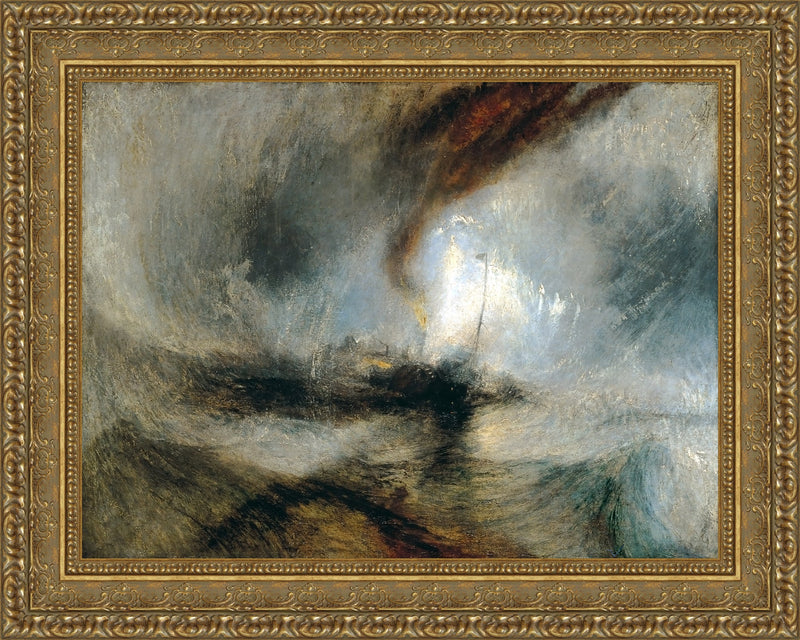
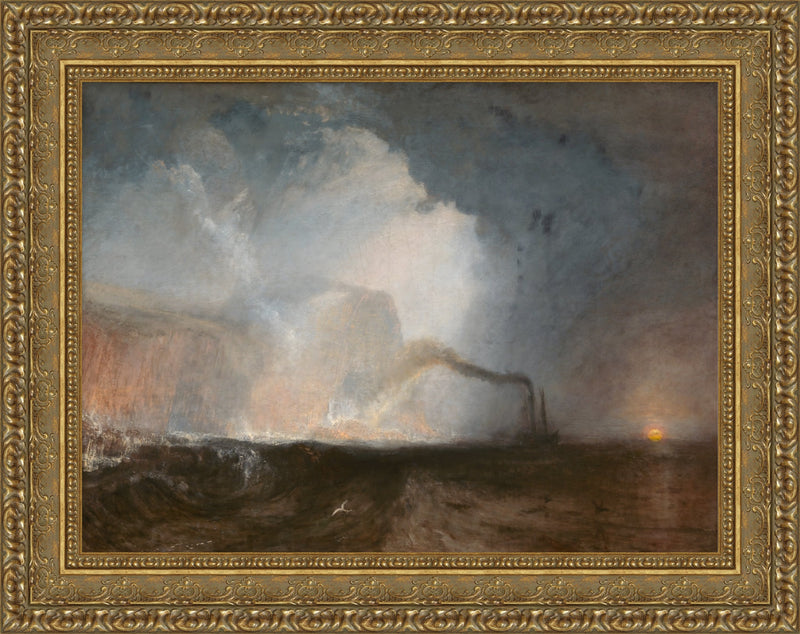
Joseph Mallord William Turner (1775–1851) was a British Romantic painter renowned for his groundbreaking treatment of light, color, and atmosphere. Often hailed as the “painter of light,” Turner transformed the landscape genre and laid critical groundwork for Impressionism, Abstract Expressionism, and modern art as a whole. His emotionally charged seascapes, radiant skies, and dramatic vistas captured not only nature’s grandeur but also the evolving power of human innovation and industrialization.
A prodigious talent, Turner entered the Royal Academy of Arts at age 14 and exhibited by 15. Though classically trained, he continuously broke from convention: replacing rigid formality with swirling compositions, glowing palettes, and expressive brushwork that elevated landscape painting to new emotional and philosophical heights.
Romanticism and the Power of Nature
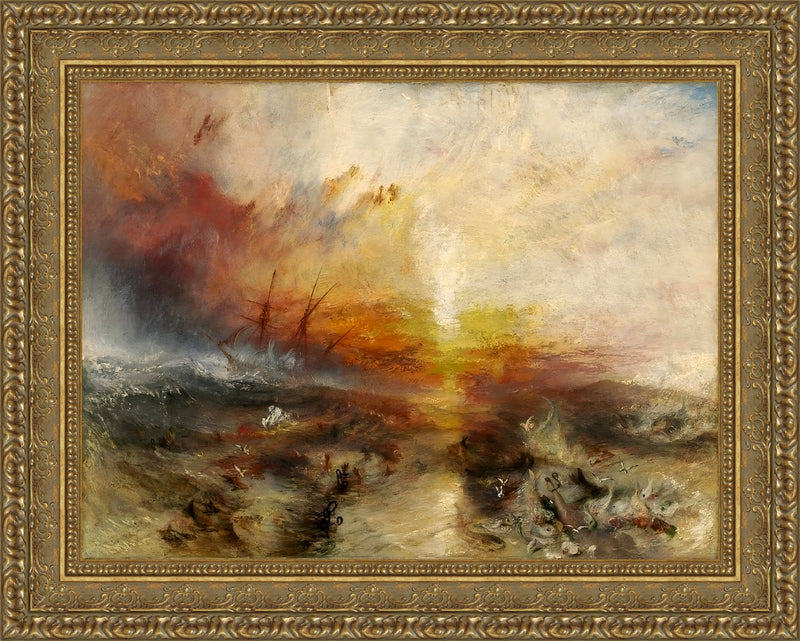
Turner’s early works were rooted in topographical realism, but his mature style embraced the sublime: the awe-inspiring and sometimes terrifying power of nature. Paintings like Snow Storm: Hannibal and his Army Crossing the Alps and The Slave Ship are emblematic of this shift, combining historical drama with turbulent skies, dynamic movement, and symbolic content.
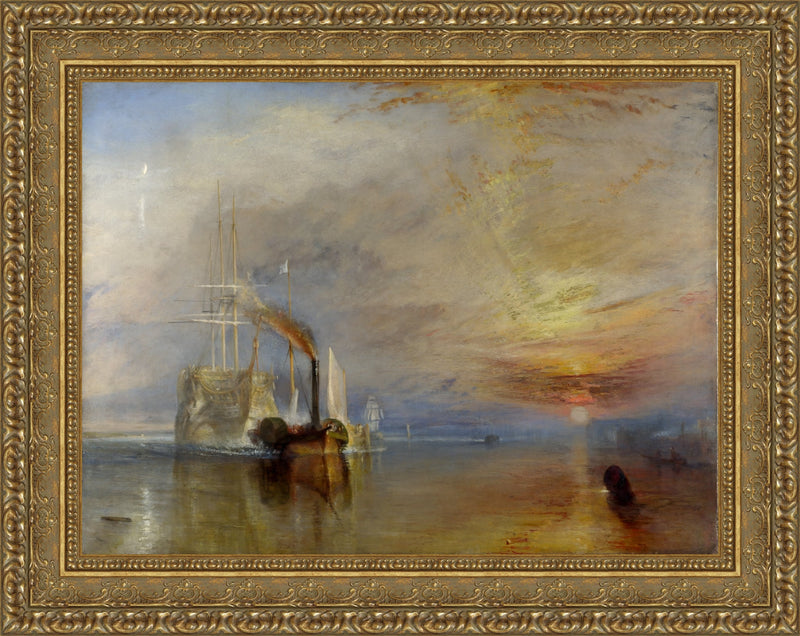
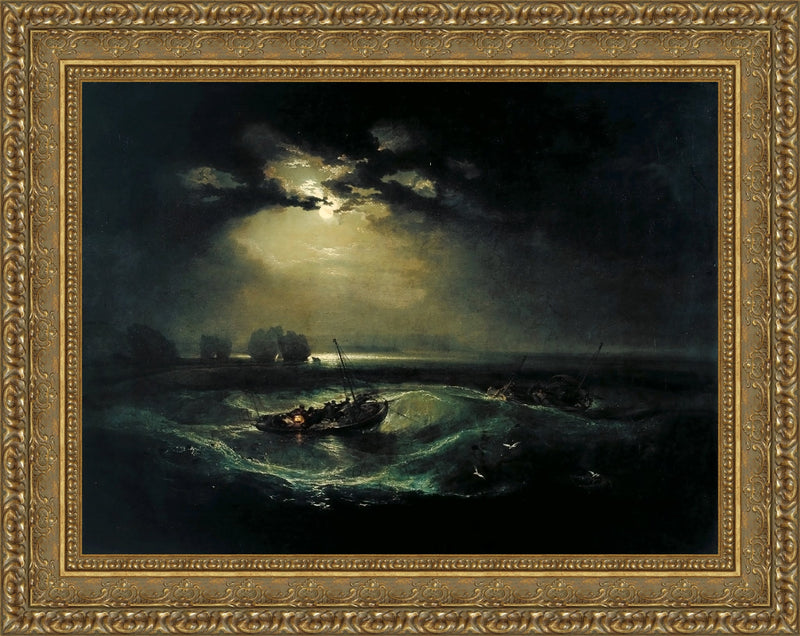
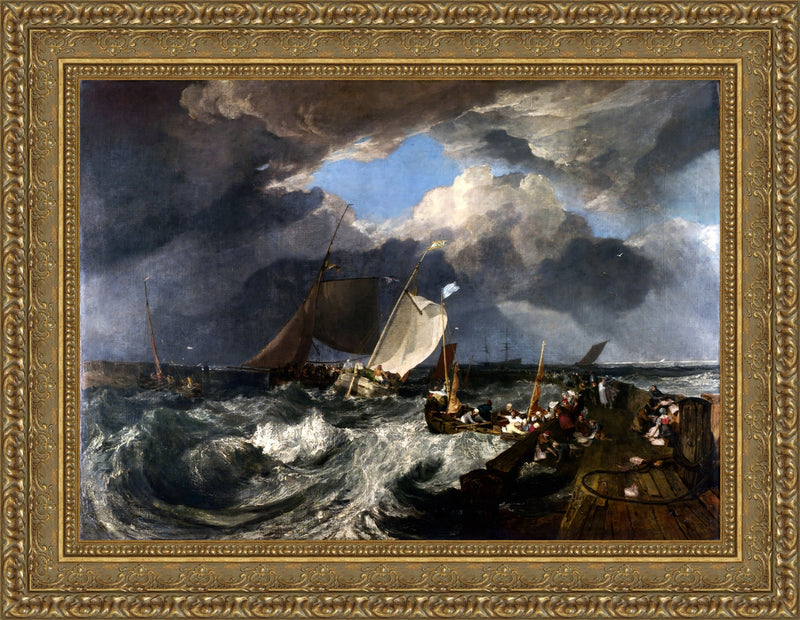
His marine paintings, such as The Fighting Temeraire and Fishermen at Sea, demonstrate his lifelong fascination with the sea as a metaphor for change, conflict, and transcendence. Turner’s ability to render fog, fire, mist, and sunset with luminous intensity made him a master of mood and motion.
Revolutionary Use of Light and Color
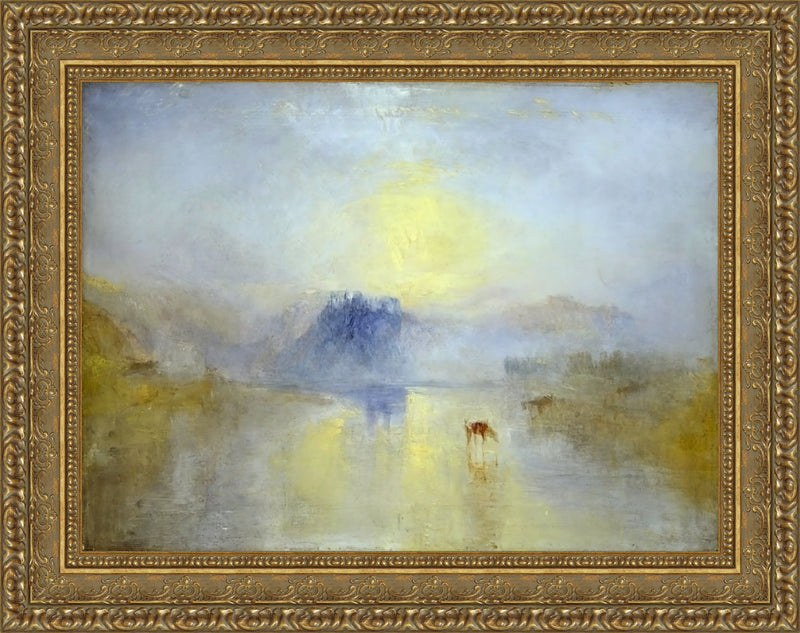
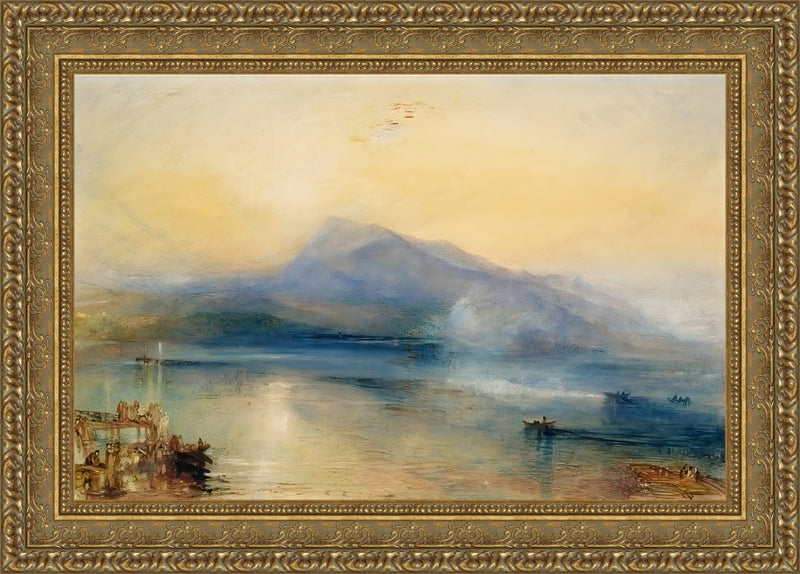
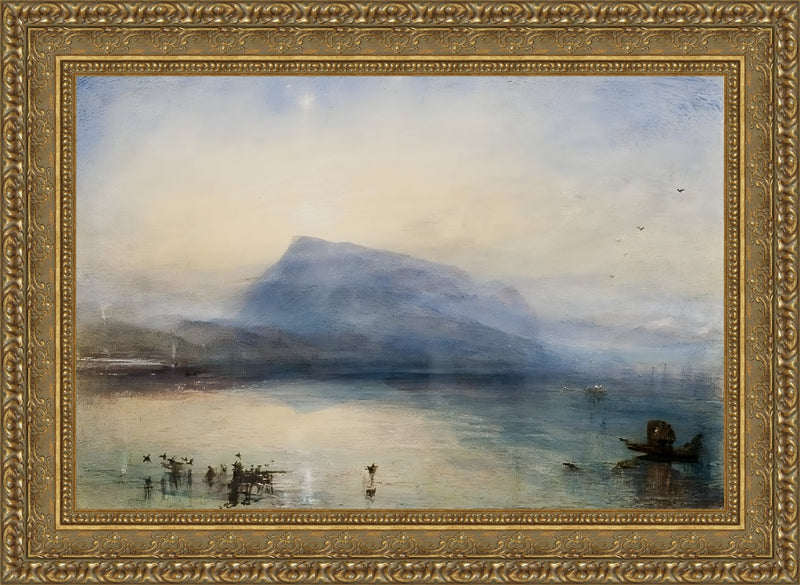
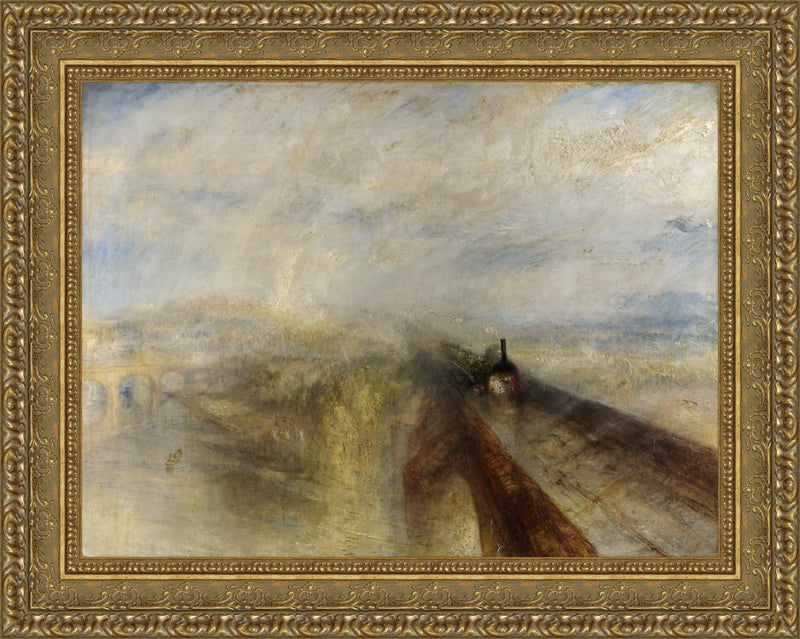
Turner was far ahead of his time in his experimentation with abstraction and light. His later works, often criticized during his lifetime for their looseness, are now celebrated for their boldness and visionary quality. These atmospheric compositions, such as Rain, Steam and Speed and Norham Castle, Sunrise, dissolve form into pure light and color: anticipating the Impressionists by decades.
His revolutionary use of layered glazes, tonal gradients, and diffused color fields pushed the boundaries of what oil and watercolor could achieve. Turner was also a gifted printmaker, producing detailed engravings that expanded access to his work.
Legacy and Influence
Though often misunderstood by contemporaries, Turner is now recognized as one of the most important figures in Western art. His influence spans movements and generations, impacting artists from Monet to Rothko. In his will, Turner left a vast portion of his work to the British nation, forming the cornerstone of the Turner Bequest at Tate Britain.
Today, J.M.W. Turner’s visionary landscapes continue to inspire awe and scholarship. His paintings serve as meditations on nature, progress, and perception: forever redefining what a landscape painting could be.