Edgar Degas (1834–1917): Master of Modern Life
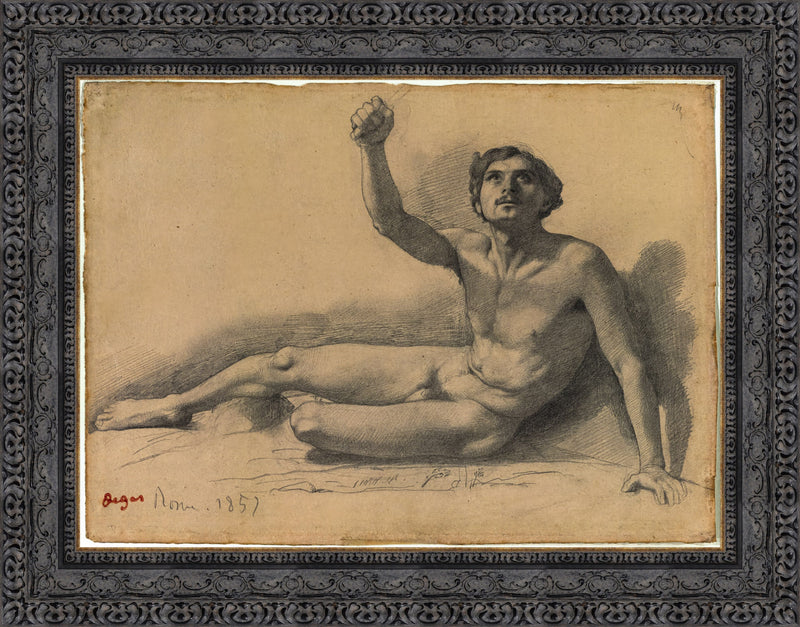
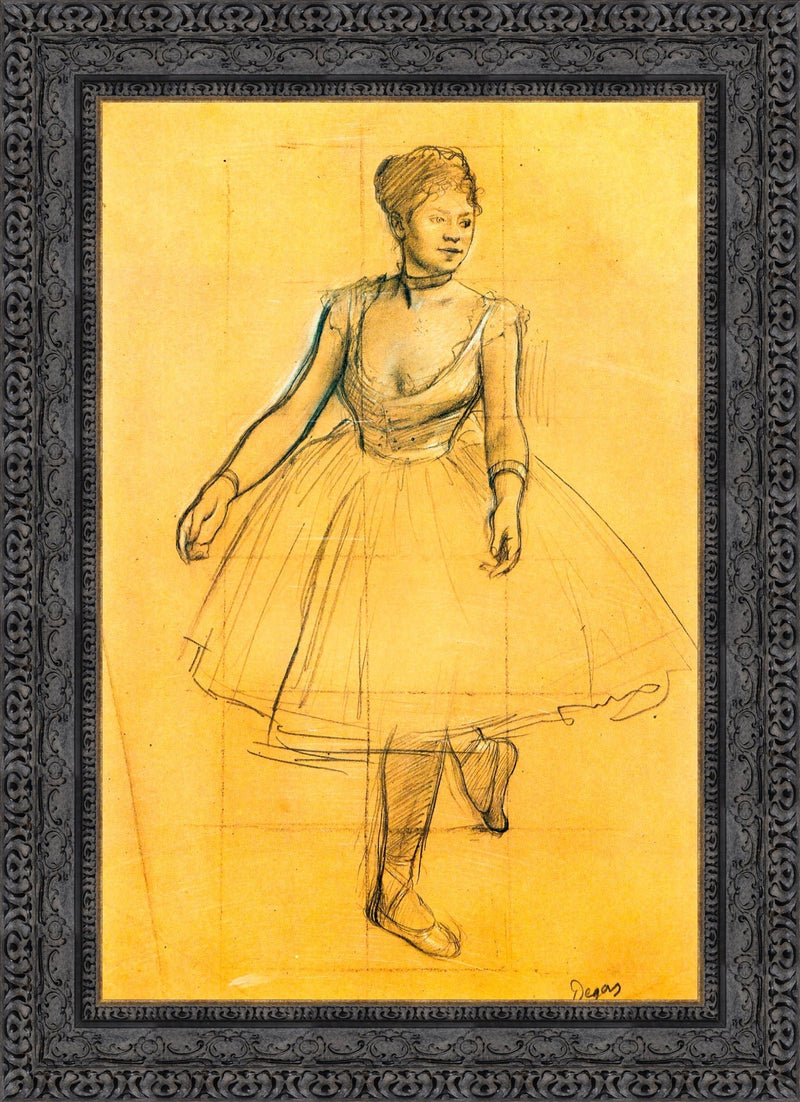
Edgar Degas was a French artist and a foundational figure of Impressionism, though he preferred to be called a Realist. He was a master draftsman and a meticulous observer of modern urban life, known for his innovative compositions and his keen ability to capture fleeting moments of human activity. While his fellow Impressionists often painted landscapes and outdoor scenes, Degas focused on the human figure in motion, revolutionizing the art of capturing movement and a sense of candid reality.
Born in Paris, Degas came from a wealthy family and received a rigorous classical training at the École des Beaux-Arts, where he studied painting under a student of Ingres. This academic background gave him a strong foundation in drawing and composition, which he never abandoned, even as his work became more experimental. He was a regular at the Café Guerbois, a hub for avant-garde artists, and was one of the driving forces behind the Impressionist exhibitions.
The Art of Observation
Degas's most iconic works are characterized by their unusual perspectives, cropped compositions, and a sense of detached observation. He was less interested in the effect of light on a landscape and more in its effect on the human body, particularly in intimate, unguarded moments.
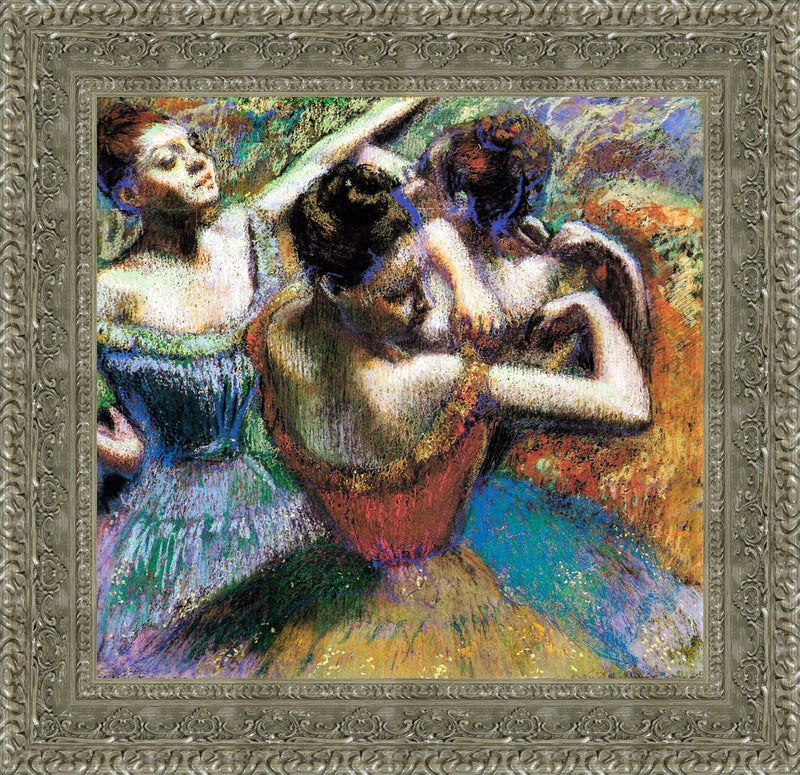
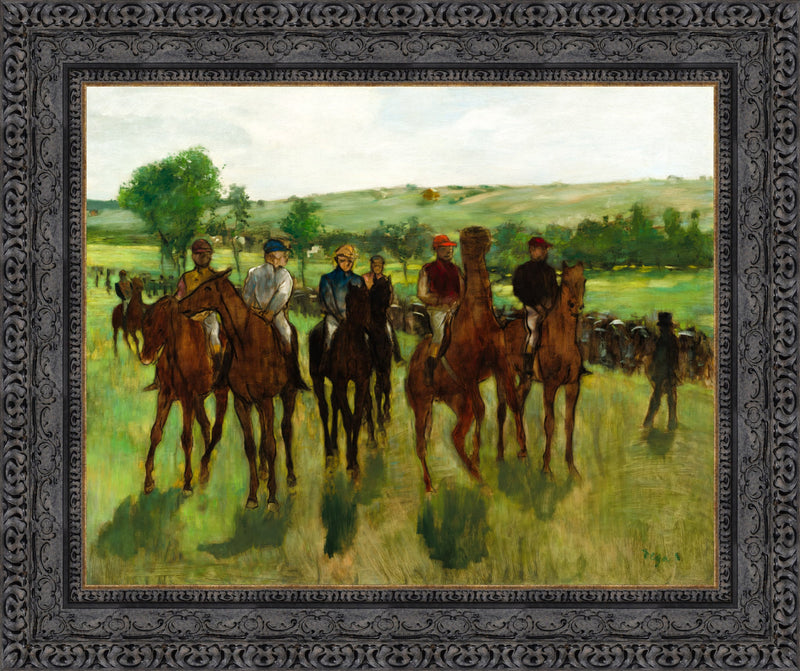
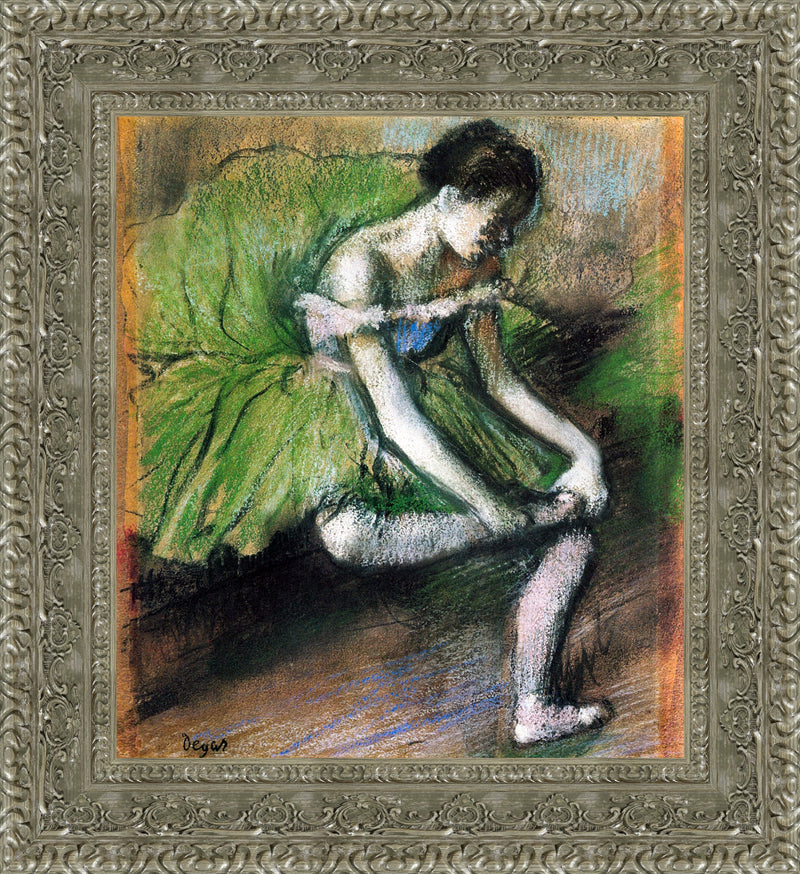
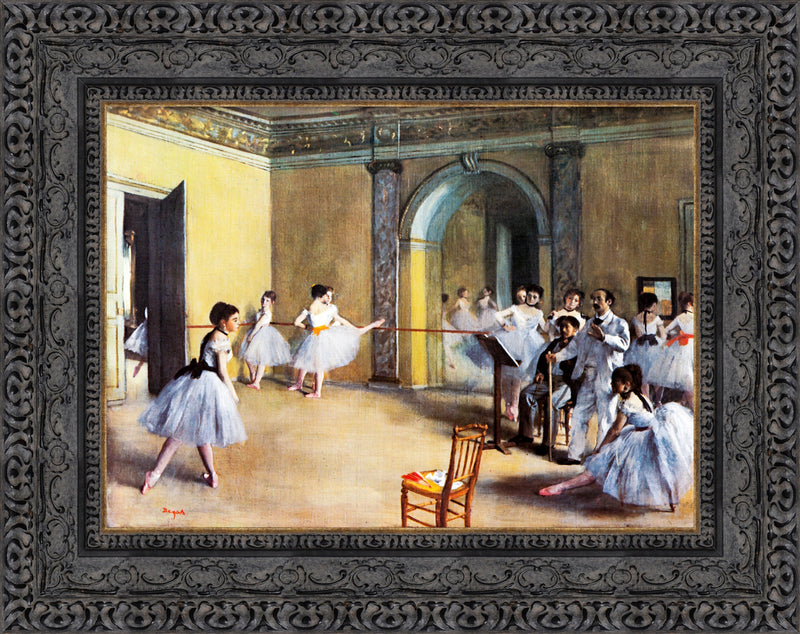
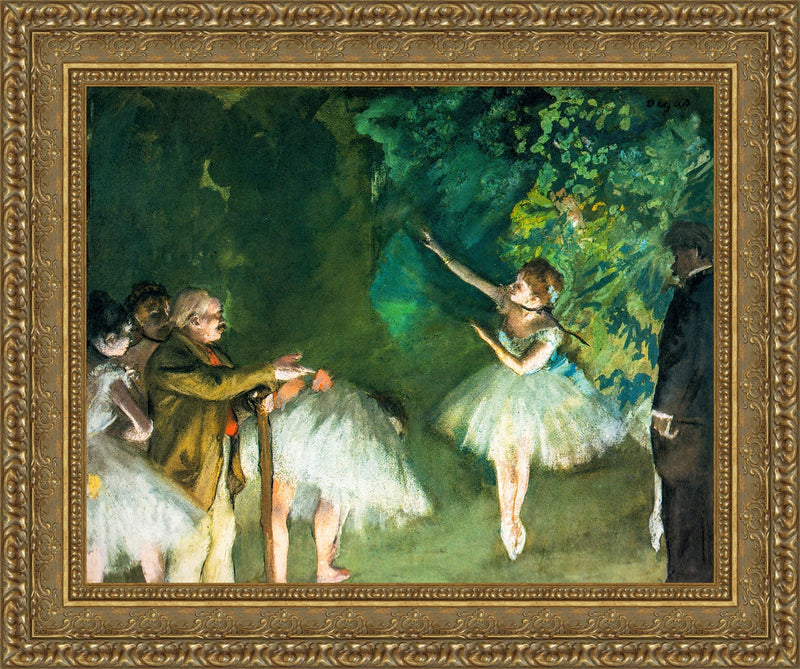
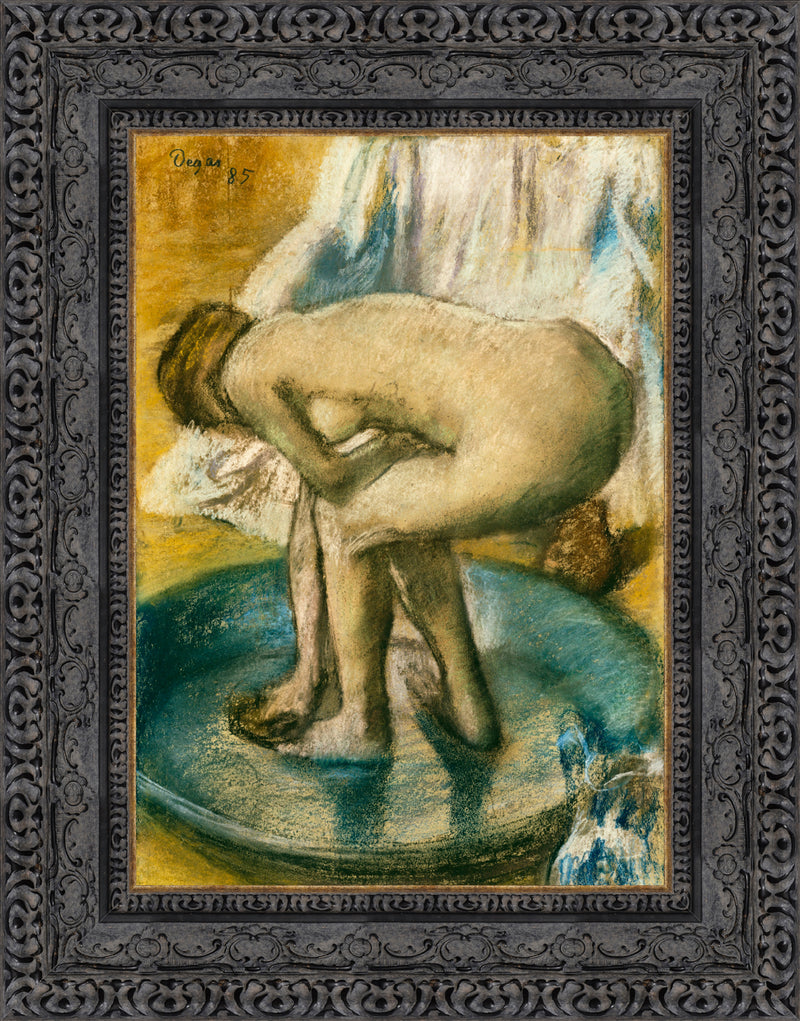
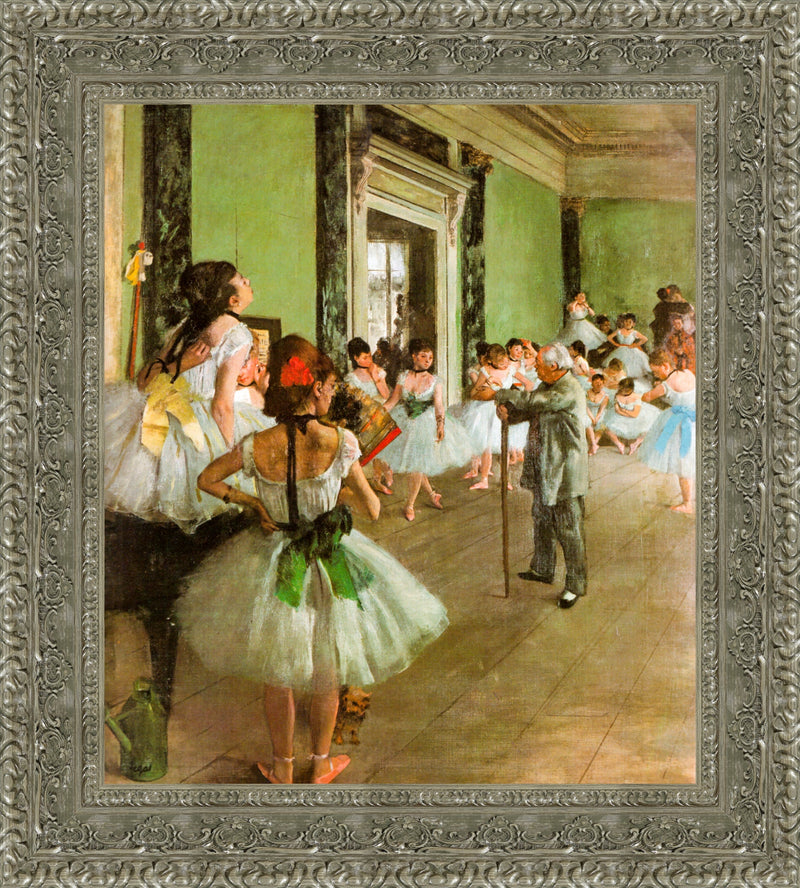
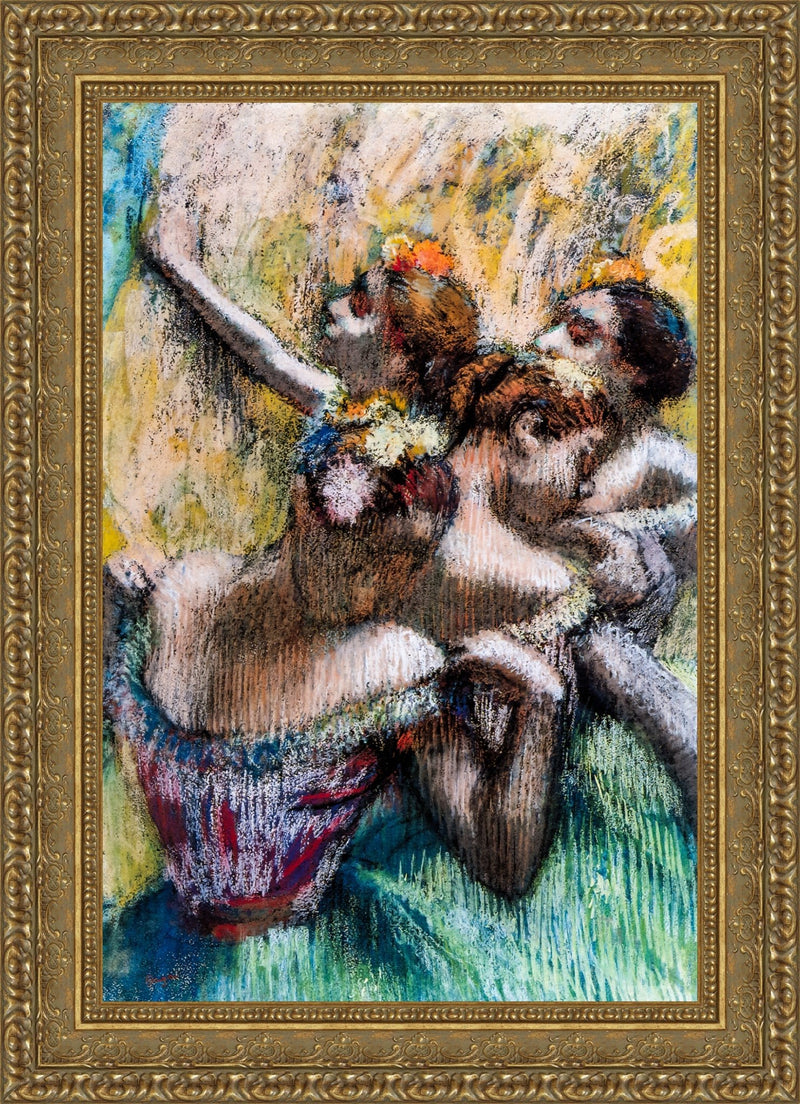
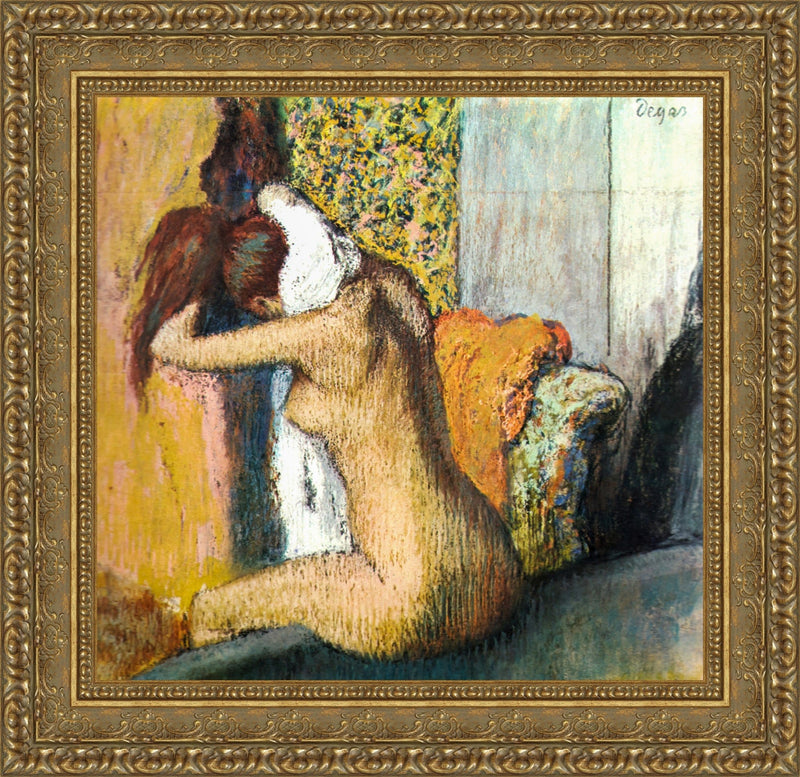
He is most famous for his paintings, pastels, sculptures, and prints of ballerinas, which he depicted not just in performance but also in rehearsal, at rest, or stretching. Works like "The Ballet Class" (1874) and "Dancers in the Rehearsal Room with a Double Bass" (1882) reveal his fascination with the geometry of the dance studio and the hard work behind the glamorous performances. He also frequently explored other subjects of modern Parisian life, including cafe scenes, milliners, and laundresses, as seen in his famous pastel "The Tub" (1886). His racecourse scenes, such as "At the Races in the Countryside" (1869), showcase his genius for capturing the movement of horses.
Degas was an innovator in mediums, particularly his masterful use of pastel, which he applied in thick layers to create rich, luminous surfaces. His late-career eyesight problems led him to turn more to sculpture, where he continued to explore the human form in motion, famously with "The Little Fourteen-Year-Old Dancer" (1881).
A Legacy of Modernity
Despite his association with the Impressionists, Degas remained a fiercely independent and private artist. He was a keen student of Japanese prints and photography, which influenced his bold cropping and asymmetrical compositions. His uncompromising focus on observation, his dedication to the human form, and his radical compositions made him a crucial link between traditional art and modernism.
Today, Edgar Degas’s works are held in major collections worldwide, including the Musée d'Orsay, the Metropolitan Museum of Art, and the Art Institute of Chicago. His legacy endures as a testament to the power of observation and the beauty found in the unposed, authentic moments of everyday life.
Art Movement: Impressionism, Realism