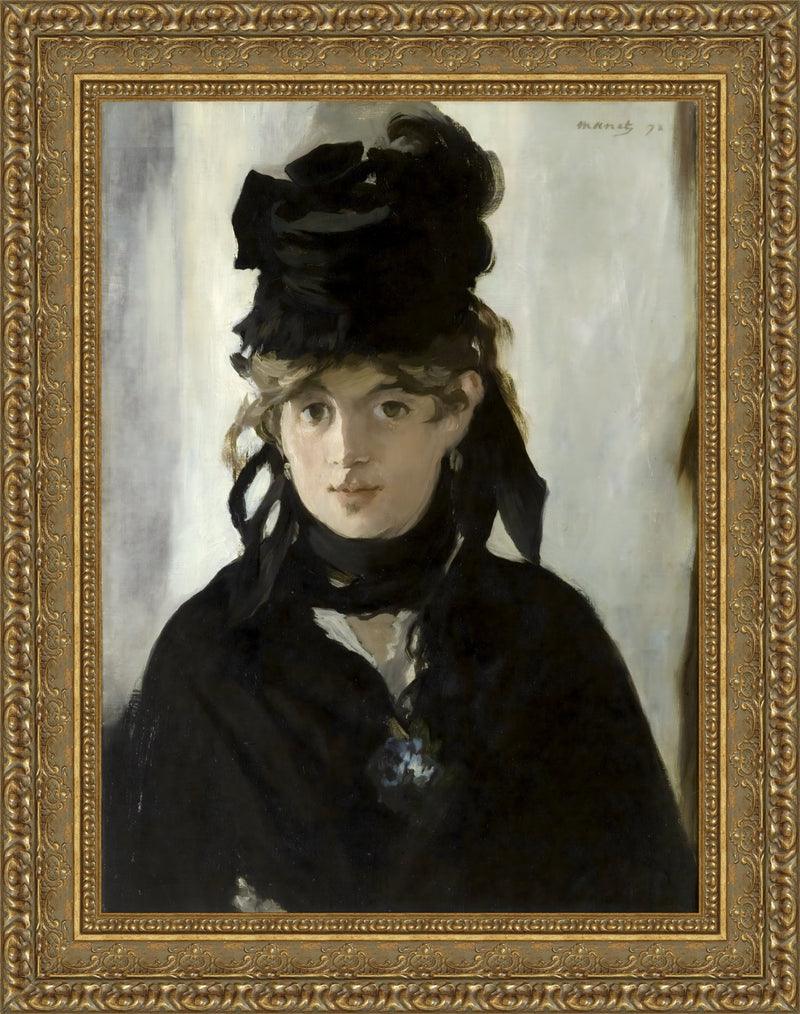
Édouard Manet – Pioneer of Modern Art and Parisian Realism
Édouard Manet (1832–1883) was a revolutionary French painter whose bold compositions and unflinching realism laid the groundwork for modern art. Often regarded as a bridge between Realism and Impressionism, Manet challenged academic conventions and redefined the role of the artist in 19th-century society. His work, controversial in its time, became a catalyst for a seismic shift in the art world: toward modernity, experimentation, and personal vision.
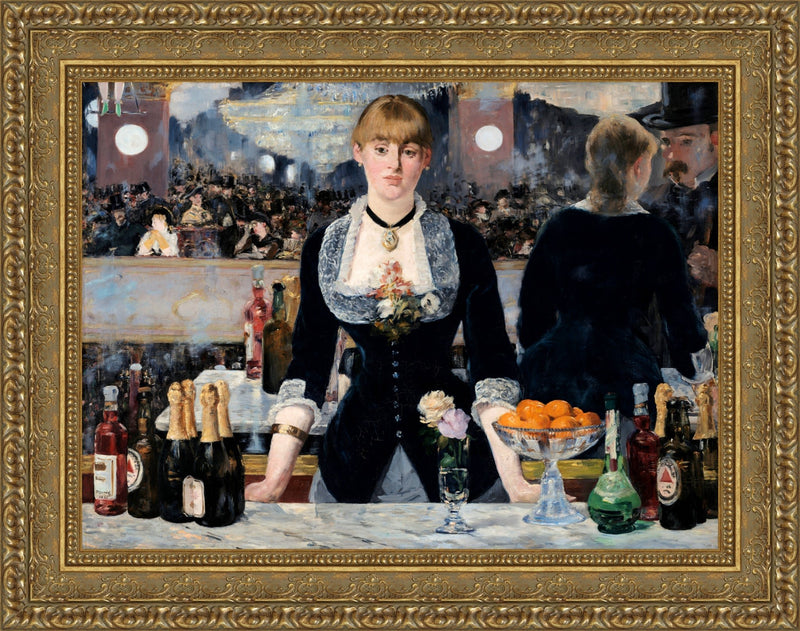
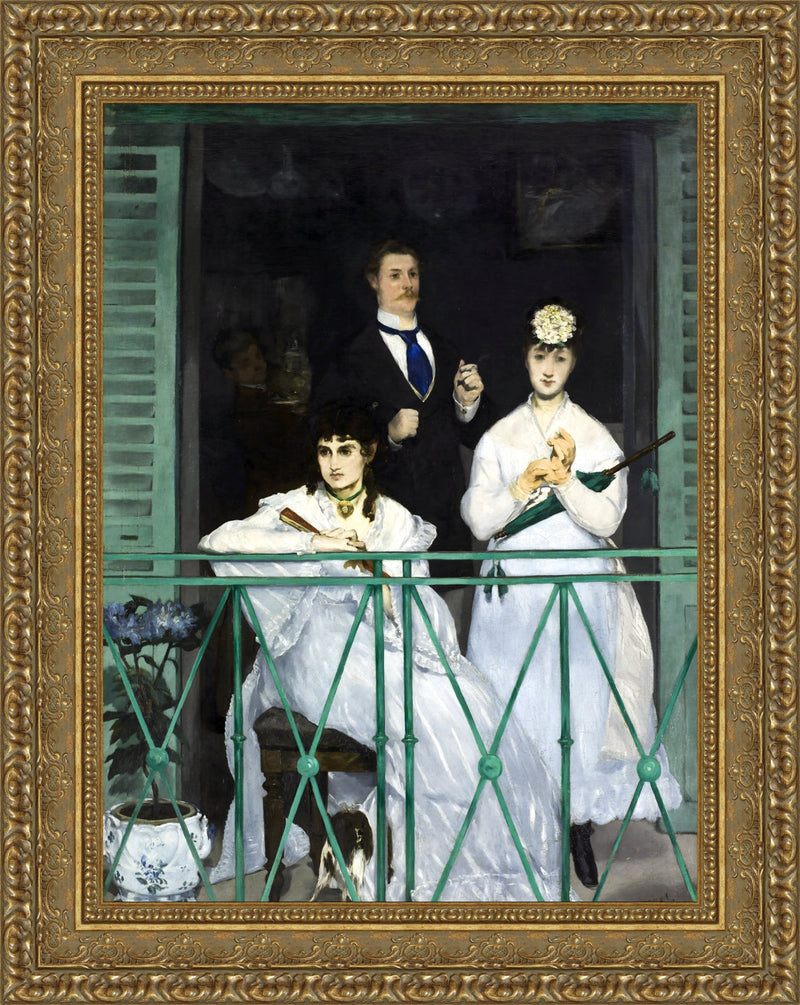
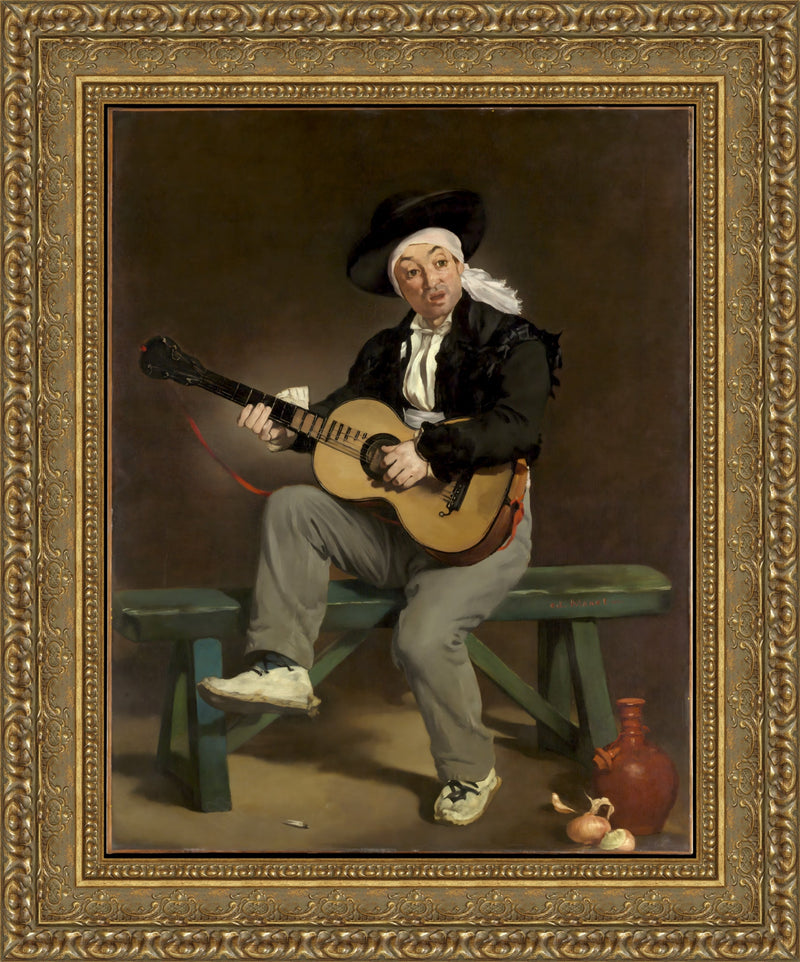
Born into a bourgeois Parisian family, Manet received formal training under Thomas Couture but quickly rejected traditional idealism. He embraced contemporary life as a worthy subject, portraying urban scenes, café culture, and modern figures with directness, stark lighting, and flattened perspective.
Breaking Conventions with Bold Vision
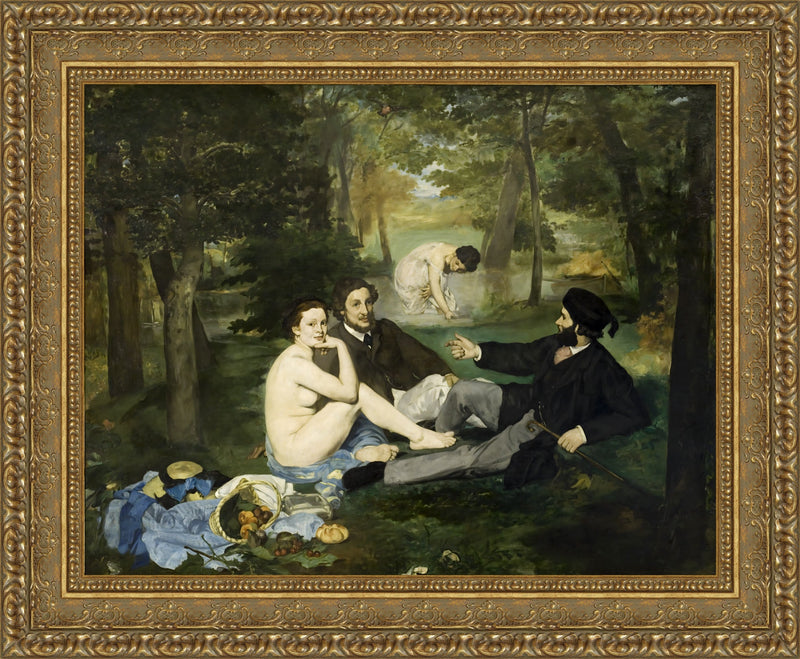
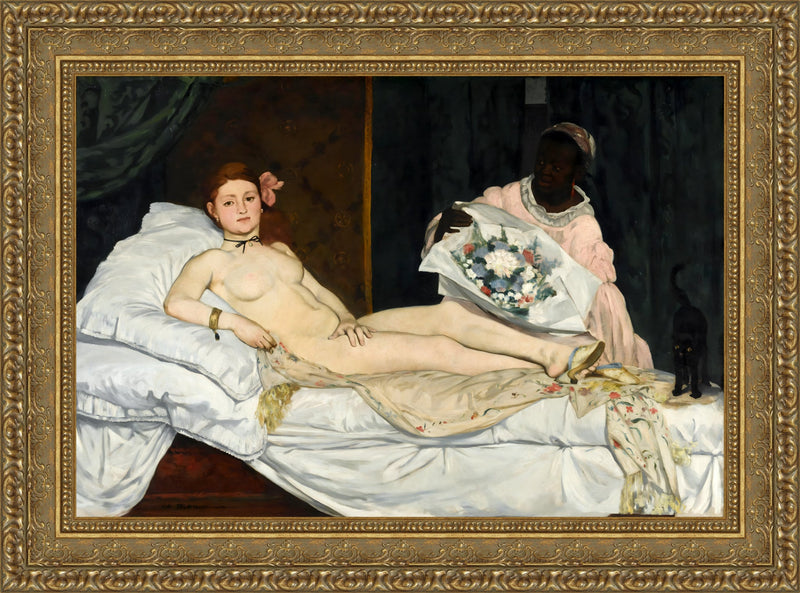
Manet first shocked the art establishment with The Luncheon on the Grass (1863), which featured a nude woman seated among clothed men in a modern setting. Dismissed by the Salon and condemned by critics, the painting nonetheless gained notoriety and inspired a generation of avant-garde artists. His follow-up, Olympia (1865), caused even greater uproar with its confrontational gaze and unapologetically modern subject.
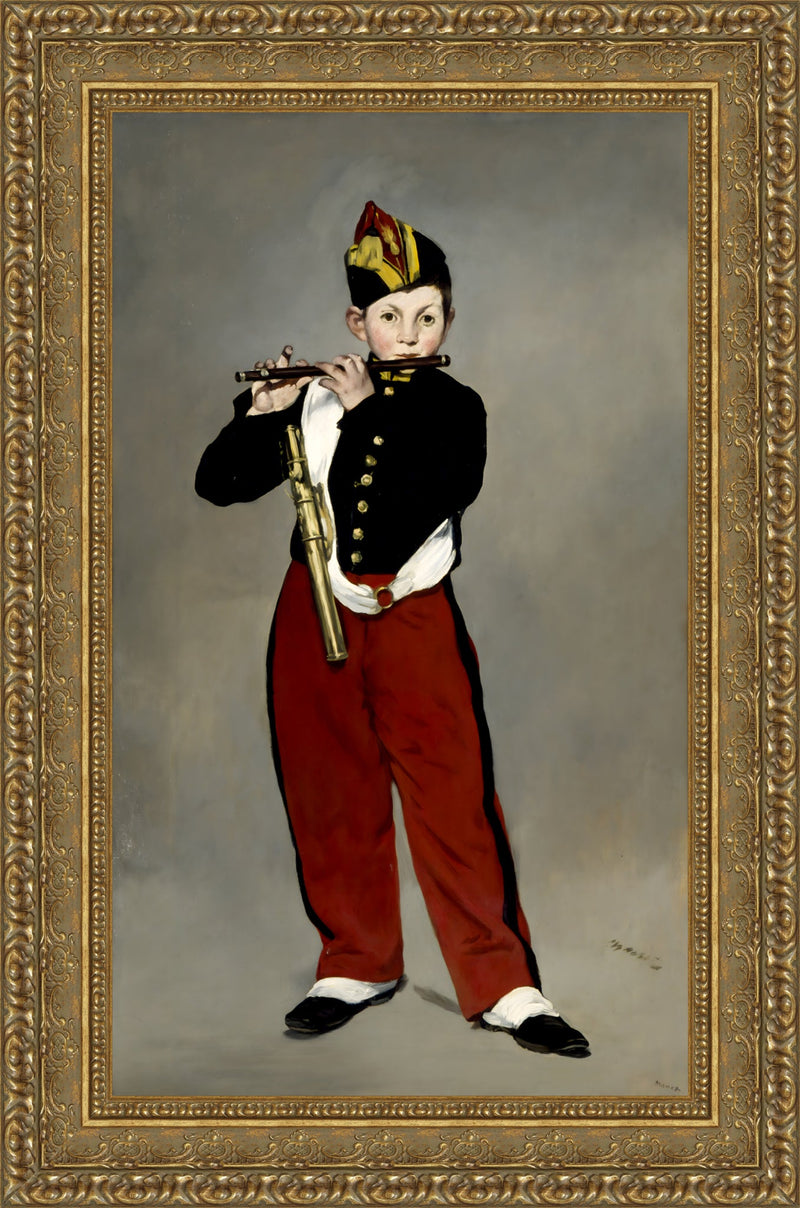
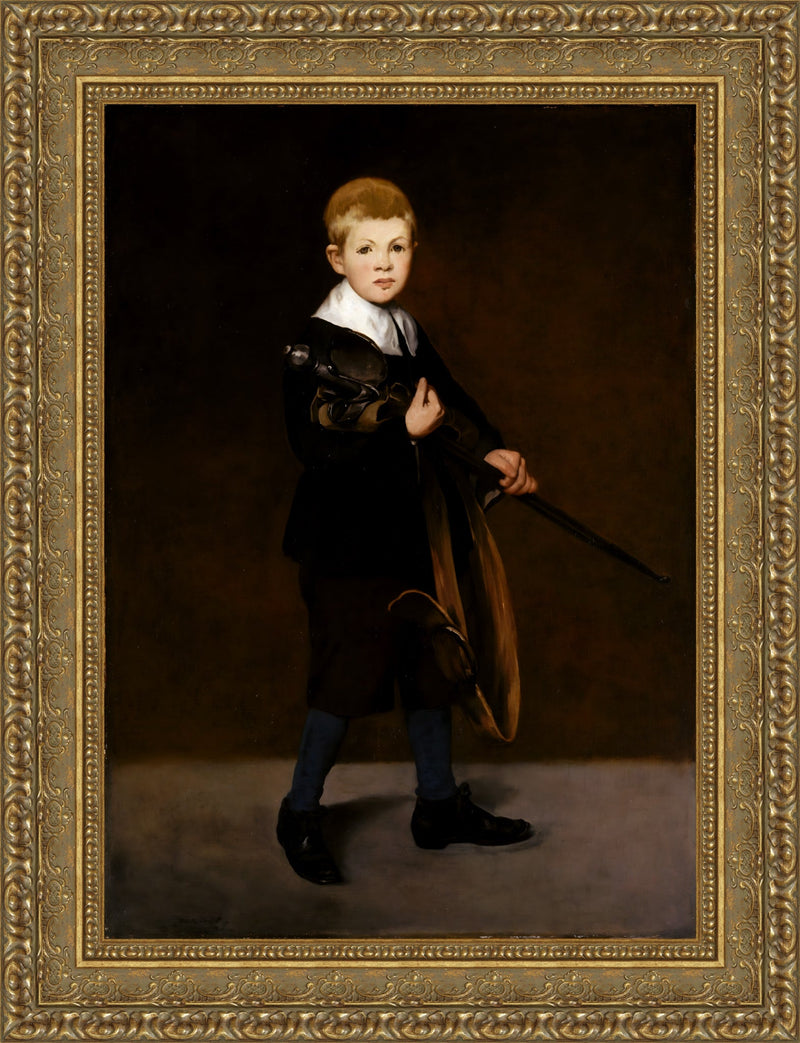
Rather than mythologizing his subjects, Manet presented them as they were: urban, modern, and real. This approach stripped away romanticism and forced viewers to confront the realities of contemporary life. Yet his technique (loose brushwork, simplified forms, and a sharp eye for contrast) gave his paintings a unique elegance and immediacy.
The Catalyst of Impressionism
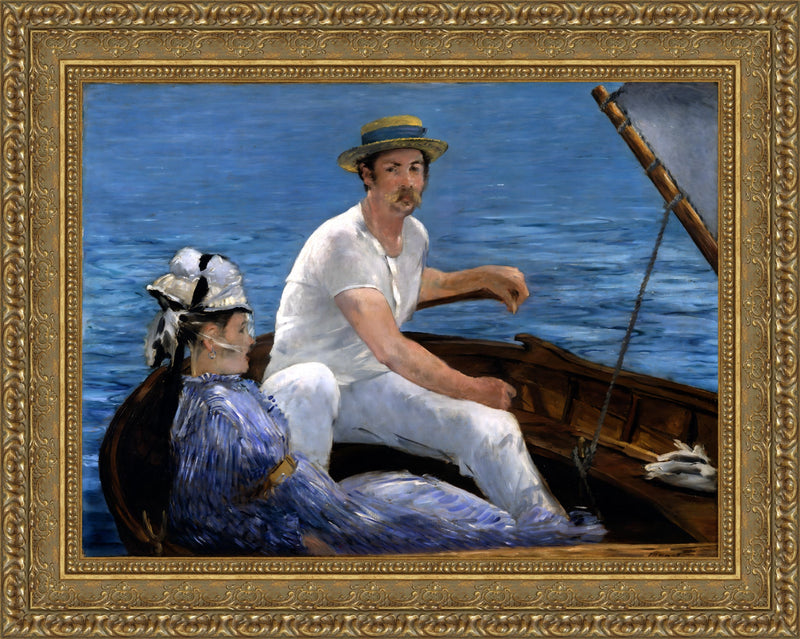
While Manet did not formally join the Impressionists, he was closely associated with them. He maintained friendships with Monet, Degas, and Morisot, and his studio became a hub for the Parisian avant-garde. His later works embraced brighter palettes and plein air techniques, seen in paintings like Boating (1874) and The Railway (1873), which capture fleeting light, leisure, and movement in a changing society.
Despite his independent stance, Manet’s influence on Impressionism and modern art is undeniable. He was among the first to foreground the artist’s subjective vision, dismantling the hierarchy of genres and legitimizing everyday subjects in fine art.
Lasting Influence and Enduring Fame
Édouard Manet died at the age of 51, yet his impact on art history is profound. He reshaped artistic language, helped usher in modernism, and forever altered the course of Western painting. Today, his masterpieces are housed in premier collections around the world, including the Musée d'Orsay, The National Gallery, and The Metropolitan Museum of Art.
As both provocateur and visionary, Manet remains a symbol of artistic courage: challenging norms, redefining beauty, and painting the modern world with radical honesty.